
What Questions Should You Ask Before Choosing an Implant Dentist?
Choosing to get a dental implant is a significant decision—one that can improve your smile, restore confidence, and enhance your quality of life. However, the success of your treatment depends not only on the implant itself but also on the expertise of the dentist performing the procedure.
With so many dental clinics offering implant services, how do you know which one is right for you?
The best way is to ask the right questions before making your decision. A trustworthy implant dentist will always welcome your questions and provide clear, honest answers.
Here are the most important questions you should ask before choosing an implant dentist.
- What Are Your Qualifications and Experience in Dental Implants?
Dental implants require advanced planning and precision. While many dentists provide implant treatment, experience plays a crucial role in achieving predictable, long-lasting results.
Ask questions like:
- How many implant procedures have you performed?
- Do you regularly place dental implants?
- Have you handled complex implant cases?
An experienced implant dentist is more likely to anticipate challenges, manage complications effectively, and deliver excellent outcomes.
- Am I a Suitable Candidate for Dental Implants?
Not every patient is an ideal candidate immediately. Factors such as bone density, gum health, medical history, and oral hygiene all influence implant success.
A good dentist will perform a comprehensive examination before recommending treatment.
They should evaluate:
- Jawbone quality
- Gum health
- Existing dental conditions
- Lifestyle habits such as smoking
- Overall medical history
This assessment helps determine whether additional procedures, such as bone grafting, are required before implant placement.
- What Technology Do You Use for Implant Planning?
Modern technology has transformed implant dentistry.
Ask whether the clinic uses:
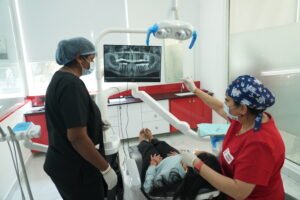
- Digital X-rays
- 3D CBCT scans
- Digital treatment planning
- Guided implant surgery
Advanced imaging allows the dentist to accurately assess bone structure, identify important anatomical landmarks, and place implants with greater precision.

This often leads to:
- Better accuracy
- Reduced surgical risks
- Faster recovery
- More predictable outcomes
- Which Dental Implant System Do You Use?
Not all dental implant systems are the same.
Reputable clinics typically use internationally recognised implant brands that are backed by years of clinical research.
Ask your dentist:
- Which implant brand do you use?
- Why do you recommend this system?
- Is it supported by long-term clinical evidence?
Choosing a quality implant system contributes to long-term stability and easier maintenance if replacement components are ever required.
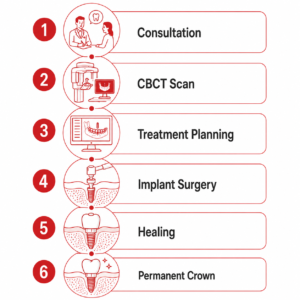
- What Does the Entire Treatment Process Involve?
Dental implant treatment usually takes place over several stages rather than a single appointment.
Ask your dentist to explain:
- Initial consultation
- Diagnostic scans
- Implant placement
- Healing period
- Crown placement
- Follow-up appointments
Understanding the complete process helps you prepare for each stage and sets realistic expectations regarding treatment duration.
- How Long Will the Entire Treatment Take?
Every patient heals differently.
Treatment duration depends on factors such as:
- Bone quality
- Number of implants
- Healing capacity
- Whether bone grafting is required
Some patients may complete treatment within a few months, while more complex cases can take longer.
Your dentist should provide a personalised treatment timeline rather than giving unrealistic promises.
- What Are the Possible Risks and Complications?
Every surgical procedure carries some degree of risk.
An ethical implant dentist should openly discuss potential complications, including:
- Infection
- Implant failure
- Delayed healing
- Nerve injury (rare)
- Sinus complications for upper jaw implants
More importantly, they should explain how these risks are minimised through careful planning, sterile protocols, and regular follow-up care.
Transparency is a strong indicator of professional integrity.
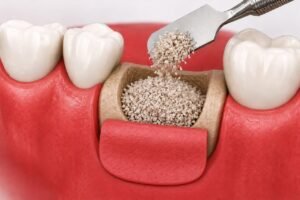
- Will I Need Bone Grafting or Additional Procedures?
Some patients lose bone after missing teeth for several years.
If there isn’t enough bone to support the implant securely, additional treatment may be recommended.
Ask whether you might need:
- Bone grafting
- Sinus lift procedures
- Gum grafting
Understanding these possibilities beforehand helps you prepare both financially and mentally for the treatment journey.
- What Will the Total Cost Include?
Cost should never be the only deciding factor, but it is an important consideration.
Instead of asking only “How much does a dental implant cost?”, ask for a complete treatment estimate.
This should include:
- Consultation
- Diagnostic scans
- Implant placement
- Implant components
- Crown
- Follow-up visits
- Any additional procedures if required
A detailed treatment plan helps avoid unexpected expenses later.
- What Happens If There Is a Problem After Treatment?
Post-treatment care is just as important as the implant procedure itself.
Ask:
- What follow-up appointments are included?
- How are complications managed?
- What happens if adjustments are needed?
A clinic that prioritises long-term patient care demonstrates confidence in its treatment standards.
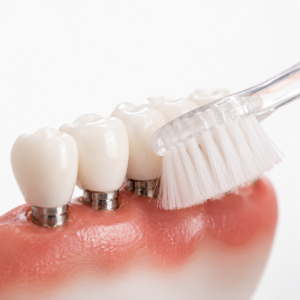
- How Should I Care for My Dental Implant?
Dental implants require proper maintenance to remain healthy for many years.
Your dentist should explain:
- Daily oral hygiene techniques
- Brushing recommendations
- Flossing around implants
- Professional cleaning schedule
- Foods to avoid during healing
Good aftercare significantly improves implant longevity.
- Can I See Before-and-After Cases or Patient Testimonials?
Patient experiences can offer valuable insights into a clinic’s quality of care.
Ask whether the dentist can share:
- Before-and-after treatment photographs
- Patient testimonials
- Success stories
- Reviews from implant patients
These examples help you understand the clinic’s expertise and approach while setting realistic expectations.
Why Asking Questions Matters
Choosing an implant dentist is about much more than comparing prices.
The right dentist will take the time to educate you, answer your concerns, and create a treatment plan tailored specifically to your needs.
Remember that successful dental implants depend on:
- Proper diagnosis
- Thorough planning
- Clinical expertise
- High-quality materials
- Ongoing maintenance
Never hesitate to ask questions. An informed patient is more confident, more comfortable, and more likely to achieve excellent long-term results.
Final Thoughts
Dental implants are one of the most reliable and natural-looking solutions for replacing missing teeth. However, selecting the right implant dentist is one of the most important decisions you’ll make during your treatment journey.
By asking the questions discussed above, you’ll gain a better understanding of the dentist’s experience, technology, treatment philosophy, and commitment to patient care.
At Lifetime Dental, we believe every patient deserves honest guidance, personalised treatment planning, and exceptional care throughout every step of their implant journey. If you’re considering dental implants, our team is here to answer your questions and help you make an informed decision with confidence.
Frequently Asked Questions (FAQ)
Is experience important when choosing an implant dentist?
Yes. Experience improves treatment planning, surgical precision, and the ability to manage complex cases, all of which contribute to successful implant outcomes.
Why are 3D scans important before dental implant treatment?
3D CBCT scans provide detailed images of the jawbone, allowing accurate implant placement while reducing surgical risks.
How long do dental implants last?
With proper oral hygiene, regular dental check-ups, and professional maintenance, dental implants can last for many years and often decades.
Are dental implants painful?
The procedure is typically performed under local anaesthesia, making it comfortable for most patients. Mild discomfort after surgery is usually temporary and manageable.
What should be included in the cost of dental implant treatment?
A comprehensive estimate should include consultation, diagnostic imaging, implant placement, restoration, follow-up appointments, and any additional procedures if necessary.