
Your Child’s First Dental Visit: A Simple Step-by-Step Guide for Parents
Read time: 5 minutes
Many parents aren’t sure when to schedule their child’s first dental visit or what happens during that appointment. The short answer: much earlier than most people think. Leading and dental health organizations recommend that a child see a dentist by their first birthday or within six months of their first tooth coming in. Early visits focus on prevention, reassurance, and building a positive relationship with dental care — not complex treatments.

When Should My Child See a Dentist?
The ideal time for your child’s first dental visit is:
By age one, or within six months of the first tooth appearing.
Even with just a few teeth, a dentist can detect early signs of problems and guide you on proper care.
Unfortunately, many children aren’t seen until age two or later — often after decay has already started. Early dental visits help establish a “dental home,” where your child gets ongoing, comfortable care over time.
A dental home is an ongoing relationship between a dentist and patient, starting as early as age one. It provides regular, preventive, and family-friendly dental care in a comfortable setting, and serves as the main place for all oral health needs—including checkups, emergencies, and referrals to specialists.
Why Early Dental Visits Matter
Baby (primary) teeth may be temporary, but they play a key role in your child’s health and development by enabling:
- Proper chewing and good nutrition
- Clear speech development
- Space maintenance for future permanent teeth
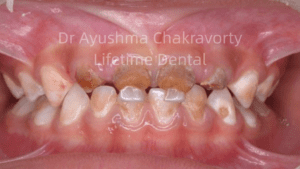
Tooth decay is one of the most common chronic childhood diseases, yet it’s largely preventable with early guidance, fluoride use, and healthy habits. A first visit allows problems to be caught early — before they become painful or costly to treat.
What Happens During the First Visit?
A Pre-appointment visit is always recommended so that the child can be familiarised with the dental setup. First dental appointments are usually short, gentle, and focused on comfort and education rather than treatment. The goal is to help your child feel safe and give you practical guidance.
1. Gentle Oral Examination
The dentist will check your child’s:
- Teeth and gums
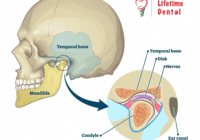
- Bite and jaw development
- Eruption pattern of baby teeth
Many pediatric dentists use a knee-to-knee position where your child sits on your lap facing you and then leans back into the dentist’s lap. This feels secure for the child and gives the dentist a quick but clear view of the mouth.

2. Cleaning and Fluoride Application
Depending on age and cooperation, the dentist may:
- Gently clean the teeth to remove soft plaque
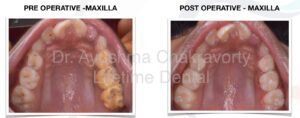
- Apply fluoride varnish to strengthen enamel and help prevent cavities
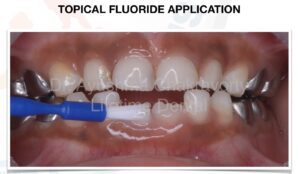
Everything is done with a “tell-show-do” approach — the dentist explains what will happen, shows the tools, and then performs the steps gently so your child knows what to expect.
3. Parent Coaching and Q&A
A big part of the first visit is parent education. Common topics include:
- How to brush tiny teeth and when to start flossing
- How much and what type of toothpaste to use
- Feeding habits and nighttime bottles
- Pacifier use, thumb sucking, and teething tips
You’re encouraged to ask questions and share any concerns.
How to Prepare Your Child (and Yourself)
A bit of preparation can make the first visit smooth and stress-free.
1. Choose a Child-Friendly Dentist
Look for a pediatric dentist or family dentist who regularly treats children. Pediatric dentists have extra training in child behavior, communication, and development. Their offices often feature bright colors, toys, and kid-friendly design to make visits enjoyable.
2. Pick the Right Time of Day
Schedule the appointment at a time when your child is typically well-rested — like mid-morning. Avoid times when they’re likely to be tired or hungry. Arriving early helps you settle in calmly.
3. Use Positive Language
Talk about the dentist as a friendly helper who will:
- “Count your teeth”
- “Check your smile”
Avoid words like “pain,” “hurt,” or “shot.” Reading books or watching videos about visits to the dentist can make the experience feel familiar. Play dentist at home to reduce fear and reinforce a positive mindset.
4. Bring Comfort Items
On the day of the visit:
- Let your child bring a favorite toy or blanket
- Give a light meal so they’re not hungry
- Brush their teeth gently beforehand
- Plan a small reward afterward — like extra story time or a park visit — to reinforce a positive experience
Questions You Can Ask the Dentist
To get the most out of the visit, consider asking:
- How often should my child have checkups?
- What’s the best brushing routine at this age?
- When should we start fluoride toothpaste, and how much?
- Are there foods or drinks to avoid to prevent cavities?
- Is my child’s thumb-sucking or pacifier use affecting their teeth?
- These discussions help you build a personalized oral-care routine for home.
After the First Visit: Building Healthy Habits
The first dental appointment is just the beginning. Healthy habits at home make the biggest difference. The pediatric dentists recommend following the 2-2-2 rule:
 Visit the dentist twice a year for checkups and cleanings
Brush teeth twice a day for two minutes
Limit sugary snacks and drinks to 2 times per day or less
Consistent routines, a balanced diet, and regular professional care help prevent cavities and support a lifetime of confident smiles.
Reference Links:
Lifetime Dental
Lakshminarayana Pura, Marathahalli,
Email: drsharondias@gmail.com
URL: https://lifetimedental.in/
| Monday | 09:30 - 20:00 |
| Tuesday | 09:30 - 20:00 |
| Wednesday | 09:30 - 20:00 Open now |
| Thursday | 09:30 - 20:00 |
| Friday | 09:30 - 20:00 |
| Saturday | 09:30 - 20:00 |
| Sunday | 10:30 - 18:00 |